Many graduates in the healthcare and laboratory sectors in Bangladesh face a common, silent crisis. After completing a Bachelor of Science (BSc), there is often a feeling that the road has ended. You might feel that your career is confined to a specific lab or a repetitive routine, and that “life is over” in terms of significant growth.
I was in that exact position. However, I discovered that the walls we see around our careers are often just psychological limitations. By focusing on three key pillars—English proficiency, advanced education (MPH), and scientific research—I broke through those barriers. Here is how you can reshape your future and unlock international opportunities.
1. The Language Bridge: Why English and IELTS Matter
For a laboratory professional, English is more than just a subject; it is the language of global science. Whether it is reading the latest manual for a Cobas 6000 or understanding international SOPs, proficiency is mandatory.
Table of Contents
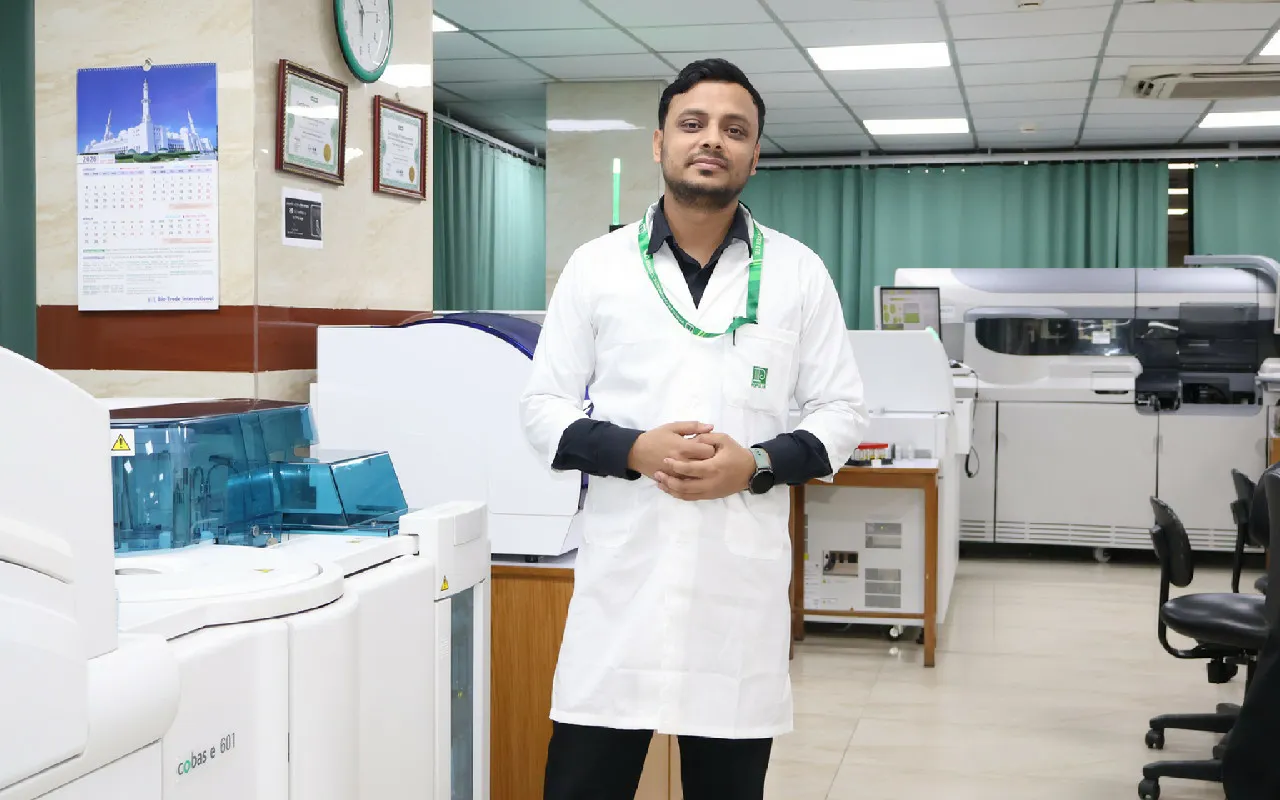
When I began preparing for the IELTS, it wasn’t just about a test score. It was about expanding my world. Improving my English helped me “rethink” my life. It allowed me to access global resources, research papers, and scholarship opportunities that were previously invisible to me. If you want to reach the international level, your first step is to bridge the communication gap.
2. Higher Education as a Mindset Shift
Completing a Master of Public Health (MPH) was the turning point that reshaped my productivity. A BSc gives you the technical skills to work in a lab, but an MPH gives you the “big picture.” It teaches you about health systems, epidemiology, and the critical importance of quality management.
This degree helped me move beyond being an employee to becoming a researcher. It provided the academic foundation needed to look at diagnostic errors not just as daily problems, but as data points for scientific study.
3. The Power of Scientific Research and Publication
One of my proudest achievements was taking my thesis from a local diagnostic center study to a publishable manuscript that passed international scientific review.
Many people believe that publishing in international journals like PLOS ONE is an “unachievable goal” for those working in local labs in Dhaka. My journey proves otherwise. By staying focused, collecting the right resources, and following a strict methodology, I created a manuscript that stood up to global peer review.
Even if you don’t get an immediate “significant response” from abroad, the act of creating something of an international standard prepares you for the moment the right opportunity arrives.
Also Read: After How Many Days Pregnancy Can Be Confirmed by Urine Test? – post by OviggoBD.
4. Dealing with the “Unachievable” Goal
The difference between an achievable and an unachievable goal often depends on your perspective and your preparation.
Avoid Negative Criticism: There will always be people who say a lab technician from Bangladesh cannot publish internationally or move abroad for a PhD. Ignore them.
Focus on Resources: Identify what you lack. Is it technical writing skills? Is it statistical knowledge for your thesis? Seek out those resources.
Stay Focused: Progress is rarely a straight line. There will be months of silence, but your “staff of focus” will keep you moving.
Conclusion: Your Journey is Just Beginning
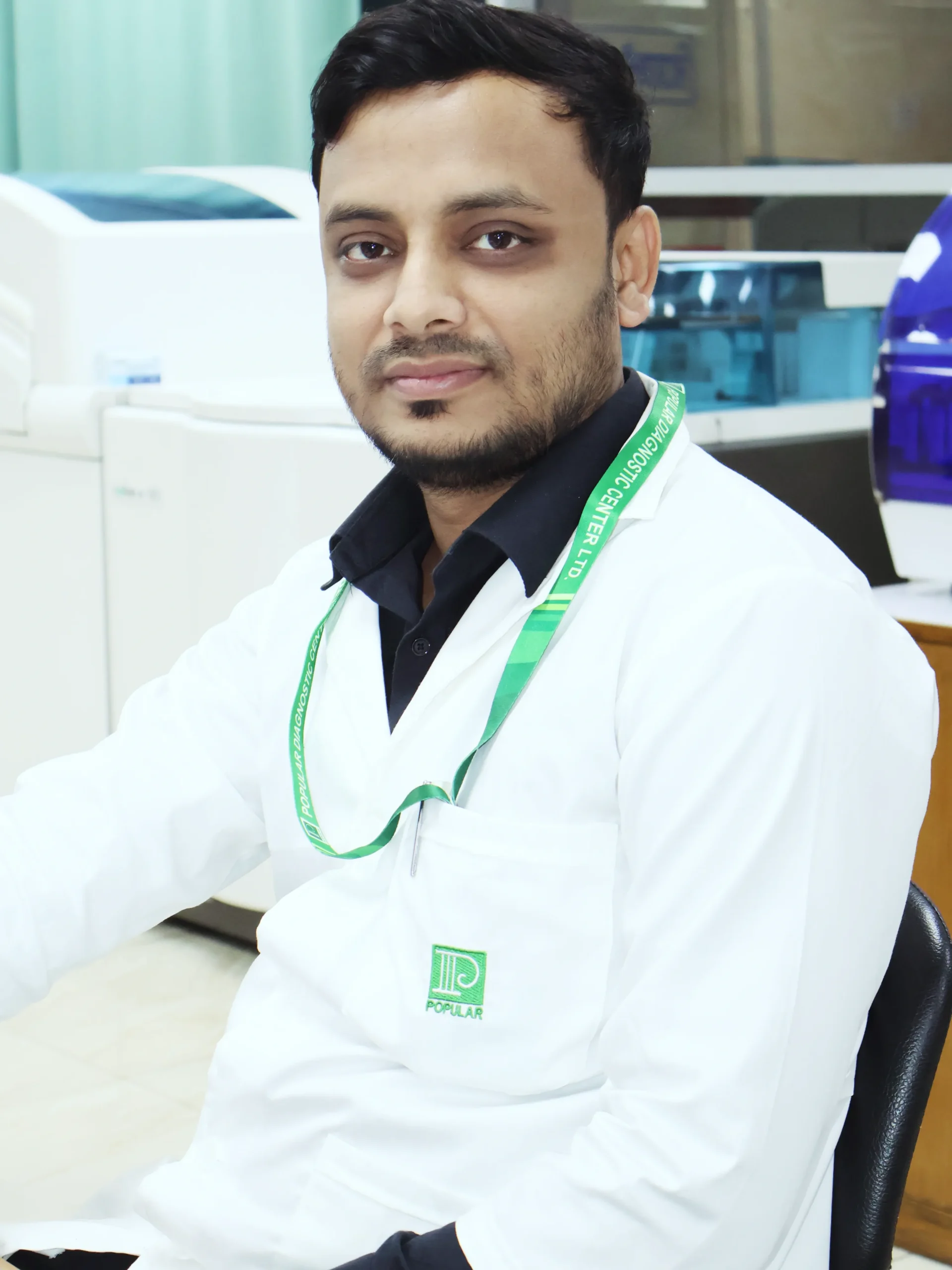
Do not undermine your ability. My transition from feeling hopeless after my BSc to managing an international-level research project happened because I refused to accept my initial limitations.
Whether you are preparing for the IELTS, starting an MPH, or working on a lab-based thesis, remember: Every goal is achievable if you deal with it correctly. Use your current position as a stepping stone, not a final destination. Your future is not defined by your past degree, but by your current drive to learn and contribute to the global scientific community.

নতুন কিছু শিখতে চাই এবং সেখাতে চাই । অনভিজ্ঞও থেকে আপনিও হয়ে উঠুন অভিজ্ঞ।