
Creatinine is one of the most clinically significant markers in routine biochemistry testing. Produced as a natural byproduct of muscle metabolism, it enters the bloodstream and is subsequently filtered and excreted by the kidneys. When kidney filtration is compromised — whether due to dehydration, acute kidney injury, or progressive chronic kidney disease — serum creatinine accumulates in the blood, making it a reliable and cost-effective indicator of renal function.
In Bangladesh, serum creatinine testing is among the most frequently requested biochemistry tests at both government hospitals and private diagnostic centres. Understanding what a normal creatinine level looks like — and how that range shifts according to age, sex, and muscle mass — is essential for accurate clinical evaluation and informed decision-making.
Table of Contents
Normal Creatinine Levels by Age — Complete Reference Chart (2026)
Instant Answer: The most searched question is answered first.
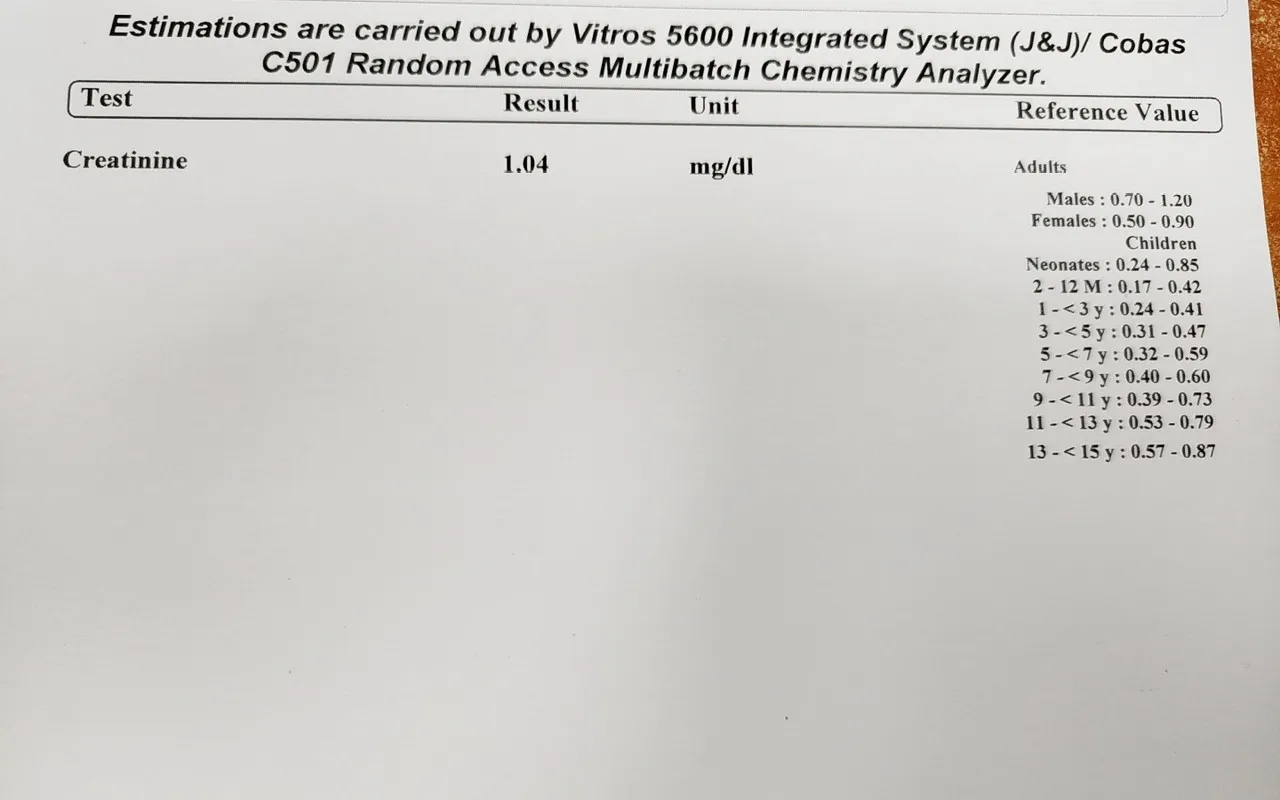
The serum creatinine normal range varies by age group, sex, and the reporting unit used by the laboratory. The values below represent internationally accepted reference intervals used in clinical biochemistry, expressed in mg/dL.
Always verify the reporting unit on your laboratory report. Some laboratories report in µmol/L (multiply mg/dL × 88.4 to convert).
Normal Creatinine Range for Adults — Male & Female
| Category | Normal Range (mg/dL) |
|---|---|
| Adult Male | 0.70 – 1.20 mg/dL |
| Adult Female | 0.50 – 0.90 mg/dL |
Adult females naturally have lower creatinine values than males due to lower average skeletal muscle mass. This sex-based difference is clinically important and must be accounted for during clinical evaluation.
Normal Creatinine Levels for Children — Complete Age-Wise Chart
| Age Group | Normal Range (mg/dL) |
|---|---|
| Neonates (0–30 days) | 0.24 – 0.85 mg/dL |
| 2–12 months | 0.17 – 0.42 mg/dL |
| 1 – <3 years | 0.24 – 0.41 mg/dL |
| 3 – <5 years | 0.31 – 0.47 mg/dL |
| 5 – <7 years | 0.32 – 0.59 mg/dL |
| 7 – <9 years | 0.40 – 0.60 mg/dL |
| 9 – <11 years | 0.39 – 0.73 mg/dL |
| 11 – <13 years | 0.53 – 0.79 mg/dL |
| 13 – <15 years | 0.57 – 0.87 mg/dL |
Note: Paediatric reference intervals are age-dependent because creatinine production scales proportionally with muscle mass, which increases as a child grows. Neonatal creatinine values are temporarily elevated at birth due to maternal creatinine crossing the placenta, then decline significantly within the first weeks of life.
Why Reference Ranges Differ Between Laboratories
A common source of patient confusion is encountering a different reference range printed on reports from two different diagnostic centres. This variation is normal and expected for several reasons:
- Analyser calibration: Different autoanalyser platforms (e.g., Roche Cobas, Abbott Architect, Mindray BS) use slightly different calibration standards.
- Assay method: The Jaffe (colorimetric) method and the enzymatic method yield marginally different reference intervals.
- Reporting unit: mg/dL versus µmol/L values look dramatically different but represent the same measurement.
- Population-derived ranges: Some labs define their own reference intervals from local population studies.
When in doubt, the reference range printed on the laboratory’s own report is the authoritative value for that result. For any result outside the printed range, specialist consultation is strongly recommended rather than self-interpretation.
READ MORE: creatinine test কি এবং কেন করা হয়?- serum creatinine test price in bangladesh 2026.
What Is Serum Creatinine? Definition & Clinical Significance
Creatinine is a waste product generated through the breakdown of creatine phosphate in skeletal muscle tissue. Approximately 1–2% of the body’s creatine converts to creatinine daily. This creatinine passes into the bloodstream and is cleared almost entirely by glomerular filtration in the kidneys, with a small additional fraction secreted by renal tubules.
Because the rate of creatinine production in a healthy individual is relatively constant, any elevation in serum creatinine reflects a reduction in the glomerular filtration rate (GFR) — the kidneys’ core filtration capacity. This makes serum creatinine an accessible and cost-effective proxy for overall renal health, widely used in diagnostic accuracy assessment across all clinical specialties.
Creatinine measurement is a core component of Kidney Function Tests (KFT), typically reported alongside blood urea nitrogen (BUN), uric acid, and electrolytes, providing a comprehensive biochemical picture of renal status.
Why Is the Creatinine Test Done? — 5 Clinical Indications
Physicians request serum creatinine testing across a broad range of clinical scenarios:
1. Assessment of Renal Function The primary indication. Elevated creatinine indicates impaired glomerular filtration, helping stage chronic kidney disease (CKD Stages 1–5) and guide treatment protocol decisions.
2. Pre-Operative Evaluation Before major surgery or procedures requiring contrast agents (e.g., CT with contrast, cardiac catheterisation), baseline creatinine is mandatory. Contrast-induced nephropathy risk is directly tied to pre-existing renal impairment.
3. Drug Monitoring & Dose Adjustment Several commonly prescribed medications in Bangladesh — including NSAIDs, aminoglycoside antibiotics, metformin, and ACE inhibitors — are nephrotoxic or renally cleared. Serial creatinine monitoring is part of standard treatment protocol for patients on these drugs.
4. Monitoring Disease Progression In patients diagnosed with hypertension, diabetes mellitus, or chronic glomerulonephritis — the three leading causes of CKD in Bangladesh — regular creatinine testing tracks renal deterioration over time and guides clinical evaluation intervals.
5. Routine Health Screening Population-level health insurance coverage schemes and corporate health check-up packages increasingly include serum creatinine as a baseline marker, enabling early detection before symptoms appear.
How to Prepare for the Creatinine Test
Serum creatinine testing requires minimal preparation, making it accessible even in primary care settings. The following preparations optimise diagnostic accuracy:
- Hydration: Maintain normal hydration before the test. Severe dehydration concentrates the blood and can falsely elevate creatinine values. However, excessive water intake immediately before testing can dilute the sample.
- Dietary restriction: Avoid high-protein meals (red meat in particular) for at least 12–24 hours before testing. Cooked meat contains significant quantities of pre-formed creatinine that is absorbed and can transiently elevate serum levels.
- Exercise restriction: Strenuous physical exercise temporarily increases creatinine production through accelerated muscle catabolism. Light daily activity is acceptable; heavy gym workouts or manual labour should be avoided the day before.
- Medication disclosure: Inform the attending physician or laboratory staff of all current medications, particularly NSAIDs, cimetidine, trimethoprim, and creatine supplements, all of which are known to interfere with creatinine measurement.
- Fasting: Fasting is not routinely required for serum creatinine alone. However, if creatinine is ordered as part of a broader panel that includes a lipid profile or fasting glucose, fasting instructions from the ordering physician take precedence.
How the Creatinine Test Is Performed in the Laboratory
Understanding the analytical process reinforces confidence in the reported result. The standard procedure followed in certified biochemistry laboratories in Bangladesh is as follows:
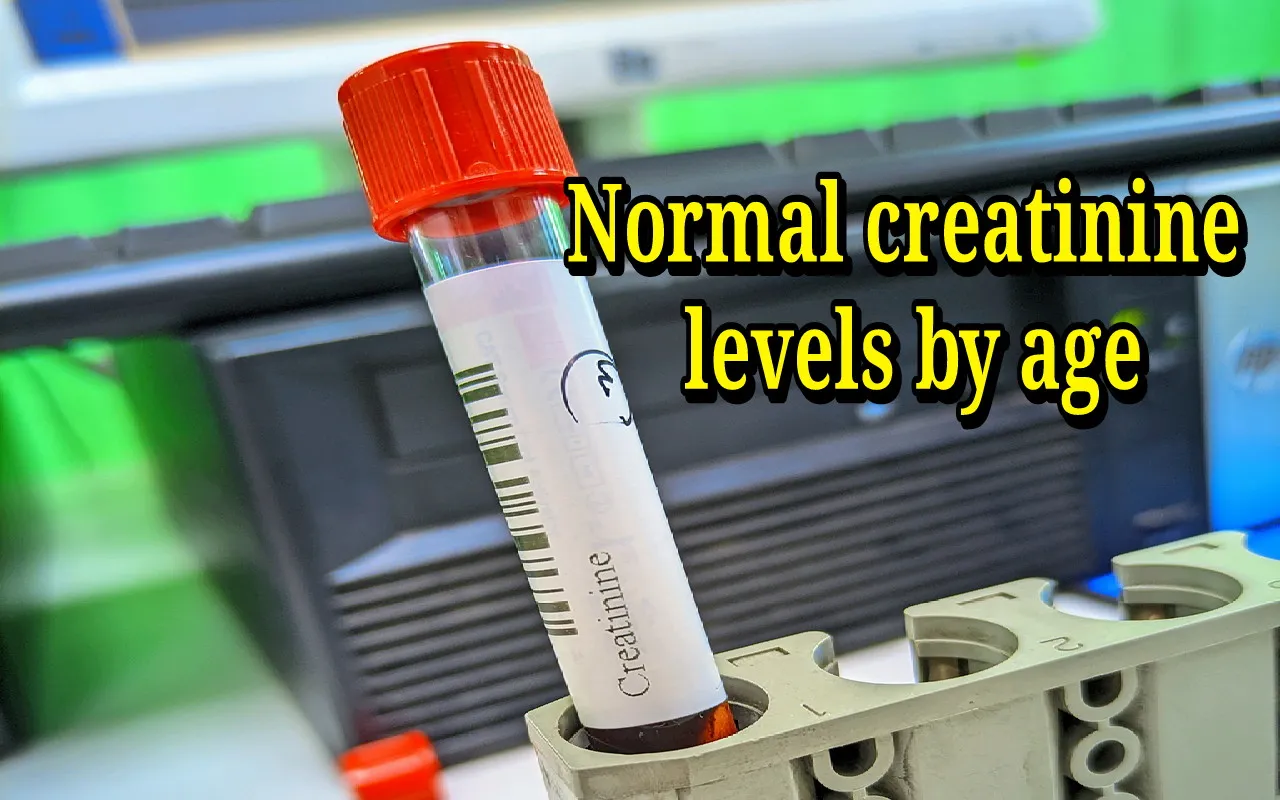
- Sample collection: Venous blood is collected into a red-top (plain/serum separator) vacutainer tube. No anticoagulant is used.
- Clotting: The tube is allowed to stand undisturbed for approximately 30 minutes to permit complete clot formation.
- Centrifugation: The clotted sample is centrifuged at 4,000 RPM for 10 minutes, separating the straw-coloured serum from the cellular elements.
- Sample loading: The separated serum is loaded onto the clinical chemistry autoanalyser. Most modern laboratories use barcode-linked sample tracking to prevent transcription errors.
- Analysis: The analyser performs the creatinine assay (typically enzymatic or Jaffe method) and generates results within 6–10 minutes of sample processing.
- Verification: Results falling outside the critical value range are automatically flagged and repeated on the same or a second analyser before reporting.
- Authorisation: The final report is reviewed and authorised by the laboratory consultant or in-charge before release to the patient.
READ MORE: সিরাম ইলেক্ট্রোলাইট টেস্ট এর দাম — বাংলাদেশ ২০২৬
Creatinine Test Report Delivery Time in Bangladesh
At most accredited private diagnostic centres in Bangladesh (including Popular, Ibn Sina, Labaid, and Square), the serum creatinine report is typically available within 4–8 hours of sample collection during regular working hours. Urgent or STAT requests can often be processed within 1–2 hours at centres with dedicated emergency biochemistry services. Government hospital laboratories may have variable turnaround times depending on workload.
Serum Creatinine Test Price in Bangladesh (2026)
| Diagnostic Centre Type | Approximate Price Range |
|---|---|
| Government Hospital (DMCH, CMCH) | ৳ 50 – ৳ 150 |
| Private Diagnostic Centre (mid-tier) | ৳ 200 – ৳ 400 |
| Premium Centre (Popular, Labaid, Square) | ৳ 400 – ৳ 600 |
Prices are approximate and subject to change. Patients with health insurance coverage should verify whether serum creatinine is included in their panel reimbursement. Confirm current pricing directly with the diagnostic centre before visiting.
When to Consult a Specialist About Your Creatinine Level
A single creatinine result above the reference range does not constitute a diagnosis of kidney disease. However, specialist consultation is warranted in the following situations:
- Creatinine is elevated on two or more consecutive tests separated by at least 90 days
- Creatinine is rising progressively over serial tests
- Elevated creatinine is accompanied by proteinuria, haematuria, or oedema
- Creatinine exceeds 2.0 mg/dL in adults without a known reversible cause
- The patient has underlying hypertension, diabetes, or autoimmune conditions that are risk factors for chronic kidney disease
A nephrologist (kidney specialist) is the appropriate referral for persistent or significantly elevated creatinine values. Early specialist consultation dramatically improves outcomes and may delay or prevent the need for dialysis or immunotherapy protocols used in advanced renal disease.
FAQ
Q: What is the normal creatinine level by age for adults in Bangladesh?
A: For adult males, the normal serum creatinine range is 0.70–1.20 mg/dL. For adult females, it is 0.50–0.90 mg/dL. These values are expressed in mg/dL, the reporting unit used by most diagnostic centres in Bangladesh. Always compare your result against the reference range printed on your specific laboratory report, as values may vary slightly between analysers.
Q: What does a creatinine level of 1.5, 2.0, or higher mean?
A: A creatinine level above the upper limit of normal (typically above 1.20 mg/dL in males and above 0.90 mg/dL in females) suggests reduced kidney filtration capacity. A value of 1.5 mg/dL may indicate mild renal impairment, while 2.0 mg/dL or above usually warrants urgent specialist consultation and further evaluation including eGFR calculation and urine analysis. A single elevated result does not confirm disease — repeat testing and clinical context are essential.
Q: Is fasting required before a creatinine test?
A: No, fasting is not required for a serum creatinine test alone. However, if it is ordered alongside tests such as fasting blood glucose or a lipid profile, the patient should follow fasting instructions from the ordering physician. It is advisable to avoid high-protein meals (especially red meat) and strenuous exercise for 12–24 hours before the test to ensure diagnostic accuracy.
Q: Can creatinine test results be inaccurate or wrong?
A: Creatinine results can be affected by several factors that reduce their accuracy. Excessive water intake just before the test, very high red meat consumption, certain medications (including NSAIDs, trimethoprim, and cimetidine), and strenuous exercise can all cause transient elevations not representative of true renal function. Additionally, results may vary slightly between different analysers or assay methods. If a result appears inconsistent with the clinical picture, repeat testing or specialist consultation is recommended rather than acting on a single unexpected value.

নতুন কিছু শিখতে চাই এবং সেখাতে চাই । অনভিজ্ঞও থেকে আপনিও হয়ে উঠুন অভিজ্ঞ।